Research
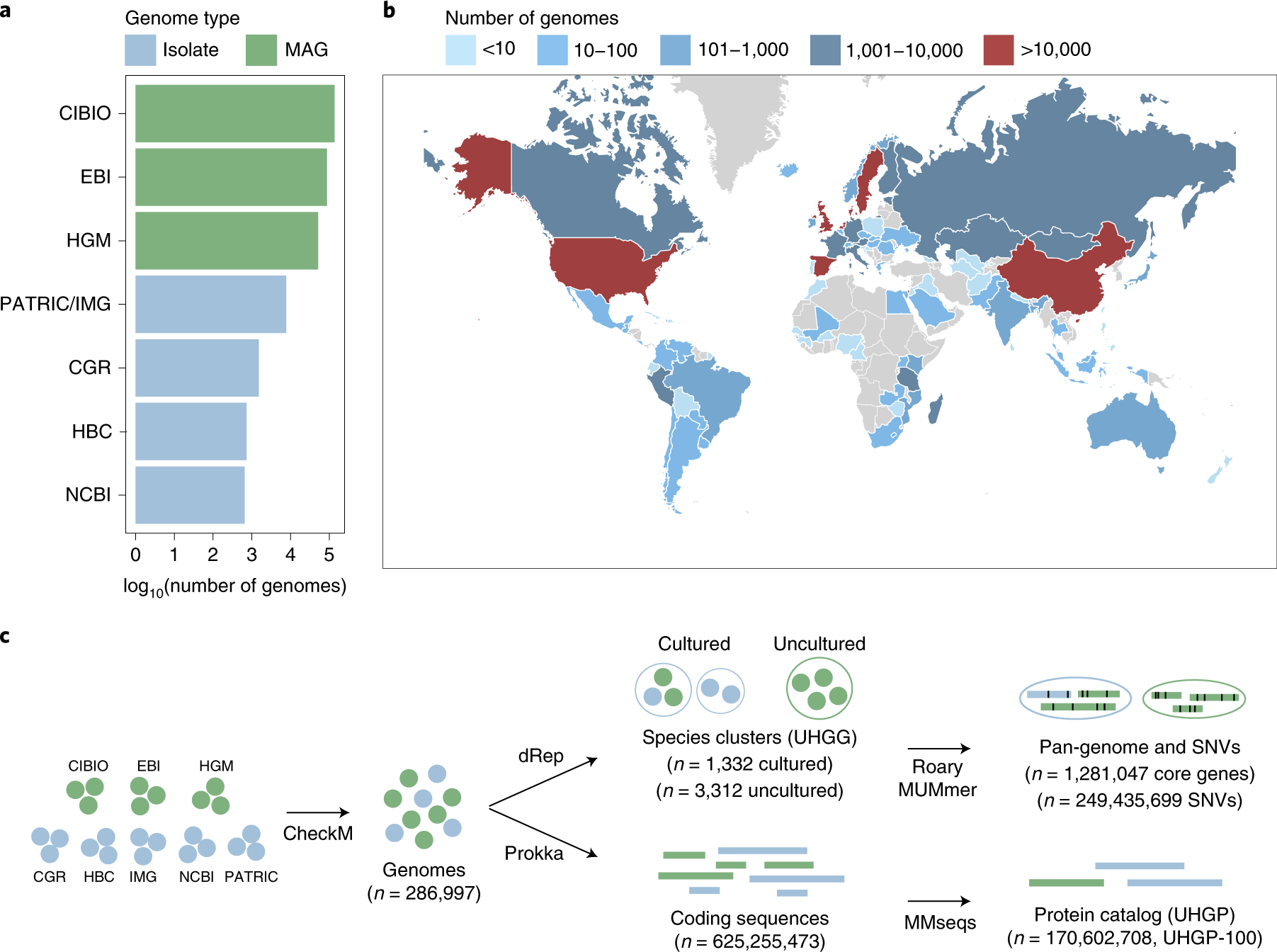
Our intestinal tract is colonized by a vast diversity of microbes that make up what is known as the human gut microbiome. With the advent of high-throughput DNA sequencing, the study of the human gut microbiome has emerged as a new frontier of biomedical research. Notably, a strong link between the human gut microbiome composition and various aspects of human health is being increasingly recognized. However, thousands of bacterial species (Almeida et al. Nature 2019 and Almeida et al. Nat. Biotechnol. 2021) and viruses (Camarillo-Guerrero et al. Cell 2021) in the human gut microbiome are largely unknown, as they remain difficult to culture and experimentally characterize in the lab. This technical limitation represents a major hurdle to understanding the biological mechanisms and beneficial role of the gut microbiome in host health.
Our research group develops and applies large-scale, high-resolution metagenomic and machine learning approaches to understand the biological role of hidden gut microbes across multiple kingdoms (including bacteria, viruses and archaea) and explore their impact on human health. Our projects are centred around three key themes:
- Machine learning methods for predicting ecosystem dynamics
- Engineering microbial communities for pathogen control
- Modelling the microbiome for improved disease diagnostics and probiotic discovery
By providing an integrated view of the physiology and functions of the commensal microbiome, we seek to improve our understanding of their role in human health and open new avenues to develop innovative therapeutic applications.
2026


2025


2024

2023


2022


2021

2020
2019


2018

2017

2016

2015

2013
